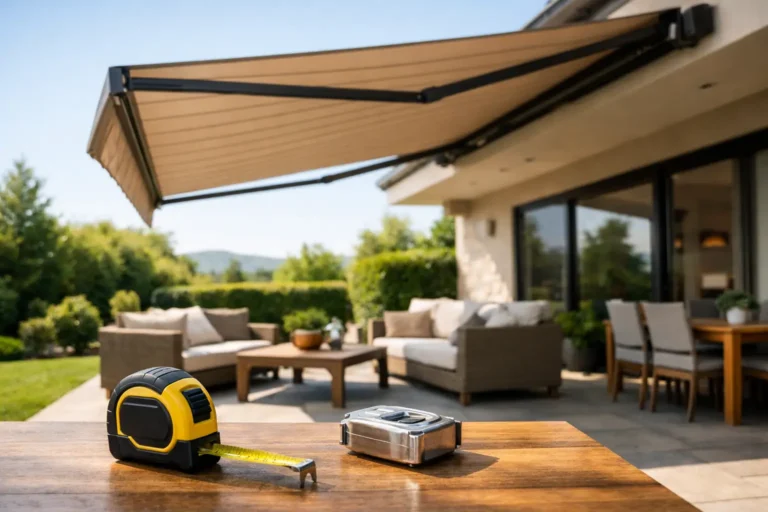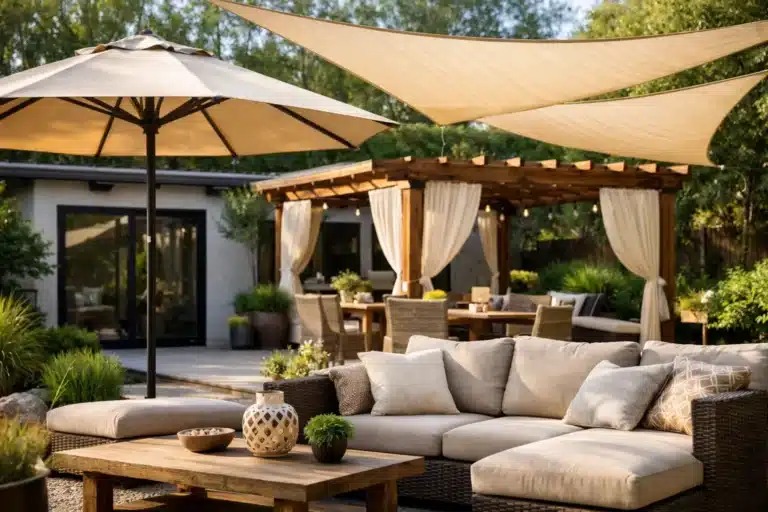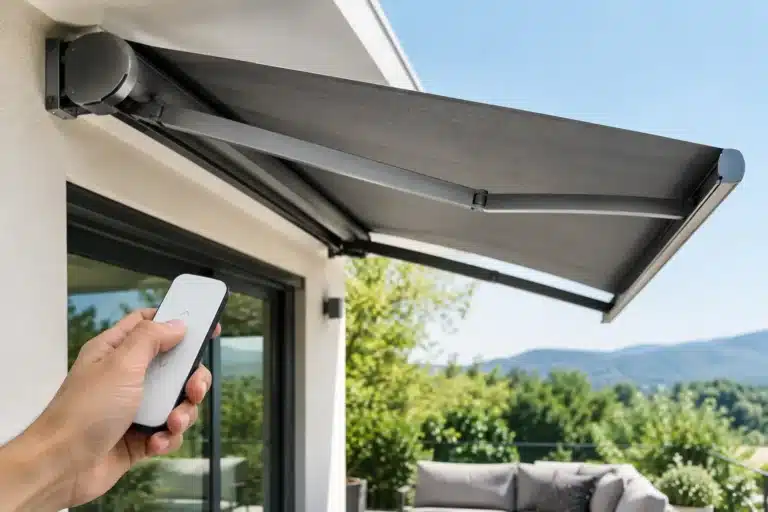
Smart shading means a motorized awning or screen that responds to the day: it extends when the sun hits the patio, retracts when the wind picks up, and runs from a remote, a wall switch or your phone. For Charlotte homeowners that is the difference between a patio you use every evening and one you avoid from June to September. This article covers what smart shading includes, how the sensors and app controls work, and where the technology pays off most.
For homeowners, that may mean extending a motorized awning before lunch and retracting it when the evening cools down. For a restaurant, resort, or retail patio, it can mean creating more comfortable guest seating without permanently closing off the setting. The right approach is not about adding the most technology. It is about choosing shade that works reliably, looks appropriate for the property, and makes the space more usable.
What Smart Shading Means Outdoors
Smart shading is exterior shade that can be adjusted easily, often with motorized operation and controls that fit the way a space is used. Depending on the product and configuration, an awning or exterior screen may operate by wall switch, remote control, app, timer, or weather-responsive sensor.
The practical benefit is simple: shade is more likely to be used when it takes one touch rather than several minutes of effort. That matters on a deck where the sun shifts quickly, around a pool where glare changes through the afternoon, or on a hospitality terrace where staff need to respond to guest comfort without interrupting service.
Motorization is often the starting point, but it is not the entire story. A thoughtful smart shading setup considers coverage, mounting location, fabric color, wind exposure, control preferences, and how the building is used throughout the day. An attractive awning that does not cover the table at the right time will not solve the real problem.
Why Adjustable Shade Makes a Bigger Difference
Fixed roofs and pergolas have a place, particularly where permanent overhead coverage is the goal. But adjustable exterior shade offers a different kind of flexibility. It can provide relief when the sun is intense, then retract to restore open sky, natural light, and a clearer view when conditions improve.
That flexibility is especially useful on patios that serve more than one purpose. A homeowner may want shade over an outdoor dining area at noon, sunlight for plants in the morning, and an open view for entertaining at sunset. A retractable awning can support all three without asking the space to look or function the same way all day.
There is also a comfort benefit inside the home or business. Exterior shade helps stop direct sun before it reaches windows and doors. Rooms near a west-facing patio can feel less exposed to afternoon glare, while outdoor seating areas become more inviting. Results vary with the orientation of the building, the size of the shaded area, and the local climate, but the principle is consistent: blocking direct sun outside is often more effective than trying to manage heat after it enters.
Start With How the Space Is Actually Used
The best shade choice begins with a few practical questions. When is the area least comfortable? Is the issue overhead heat, low-angle glare, lack of privacy, or all three? Does the patio need occasional relief for a family dinner, or dependable coverage for daily customer traffic?
Sun direction deserves more attention than many buyers expect. A south-facing patio may need broad coverage during the middle of the day. A west-facing deck may be comfortable until late afternoon, when lower sun creates glare that an overhead awning alone may not fully address. In that case, a screen, side shade, or a different furniture layout may be part of the answer.
Measure the usable zone, not just the overall patio. If the goal is to shade a dining table for six, identify where the chairs sit when pulled out and how far the sun reaches at the times the area is used. For commercial settings, consider traffic paths, table turnover, accessibility, and where guests naturally choose to sit. Good shade planning protects the activity, not just the surface beneath it.
Choosing Controls That Feel Easy, Not Complicated
A motorized awning should make outdoor living easier. A basic wall switch or handheld remote is often ideal for homeowners who want dependable, familiar operation. Timers can be helpful when a space follows a predictable schedule, such as opening shade for morning coffee or covering a west-facing patio before the strongest afternoon sun arrives.
App-based controls can be a good fit for larger homes, vacation properties, or commercial locations where a manager wants more visibility over several areas. They are not required for every project. If a remote is all that a household will use, it is usually the better choice than a complicated control system that adds features without adding value.
Sensors deserve the same practical thinking. A sun sensor can extend shade when direct sunlight becomes strong. Wind sensors can be especially valuable for retractable awnings because they help protect the system when conditions change unexpectedly. They are helpful safeguards, not replacements for common sense. In severe weather or when a property will be unattended for an extended period, following the product’s operating guidance remains essential.
Fabric, Frame, and Color Still Matter
Technology does not make up for poor product selection. The fabric and frame are what customers see, live with, and depend on season after season. Quality exterior fabrics are designed to handle sun exposure while providing a finished look that complements siding, trim, furniture, and landscaping.
Color is a design decision with a comfort component. Lighter fabrics can create a bright, airy feel and coordinate well with clean, coastal, or contemporary spaces. Darker fabrics may provide a stronger visual frame and can be effective for glare control, depending on the application. Pattern can add character, but a solid neutral often offers the most flexibility if furniture or exterior colors may change later.
Frame color and mounting details also shape the finished result. An awning should look integrated with the home or storefront rather than added as a last-minute accessory. This is where experienced product guidance pays off: the right projection, fabric, and hardware combination creates a space that feels intentional from the street as well as from the patio.
Smart Shading for Restaurants, Resorts, and Retail
Commercial outdoor spaces have higher expectations because shade influences both guest experience and revenue. A sunny terrace may look appealing in photographs, but if guests avoid it between noon and four, the business loses usable seating. Adjustable shade gives operators a way to respond to changing conditions while keeping the atmosphere open and welcoming.
For hospitality buyers, consistency matters as much as appearance. Motorized awnings and exterior shade systems should be straightforward for staff to operate, durable enough for frequent use, and coordinated across multiple seating zones. A well-organized shade plan can make a property feel more polished, whether it is a boutique hotel pool deck, a restaurant sidewalk patio, or a club’s outdoor lounge.
Designers also need dependable product information, clear options, and pricing structures that support confident recommendations. Simpli Shaded’s long experience in exterior shade helps bring order to those decisions, from choosing the right category to matching a solution with the conditions of a particular site.
Know the Trade-Offs Before You Buy
No shade product is perfect for every property. Retractable awnings preserve flexibility and can offer generous coverage, but they need an appropriate mounting surface and should be retracted in unsuitable weather. Fixed structures provide constant coverage, but they also permanently change the amount of sky and light a space receives.
Motorization adds convenience, especially for larger awnings or frequent daily use, while manual operation may suit a smaller, less-used patio and a tighter budget. Added controls and sensors can bring useful protection and automation, but they also make the system more involved than a simple crank model. The right choice depends on how often the shade will be used and how much hands-on adjustment the owner wants.
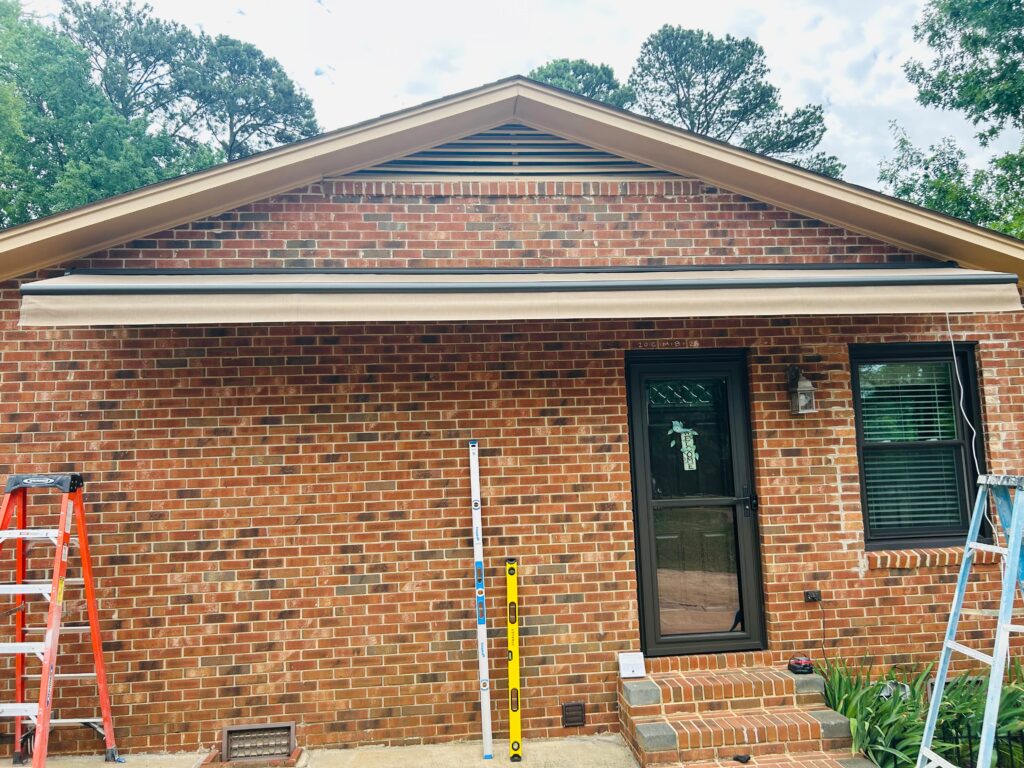
Installation should never be treated as a minor detail. Proper mounting, electrical planning where needed, and accurate measurements affect performance, appearance, and long-term enjoyment. A shade system is most satisfying when it is selected for the structure it will serve, rather than forced into a space because it was available in a convenient size.
A well-planned outdoor shade solution gives people a reason to stay outside longer. Start with the sun, the activities, and the feeling you want the space to create. From there, the right smart shading setup can turn an underused patio into one of the most comfortable places on the property.
Related on Simpli Shaded: Motorized retractable awnings in Charlotte · Motorized screens · What a motorized awning costs · 0% APR financing for qualified buyers · Areas we serve