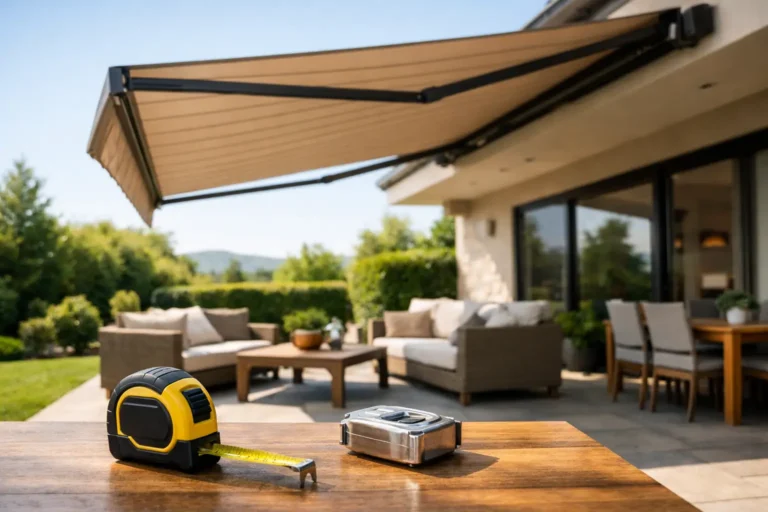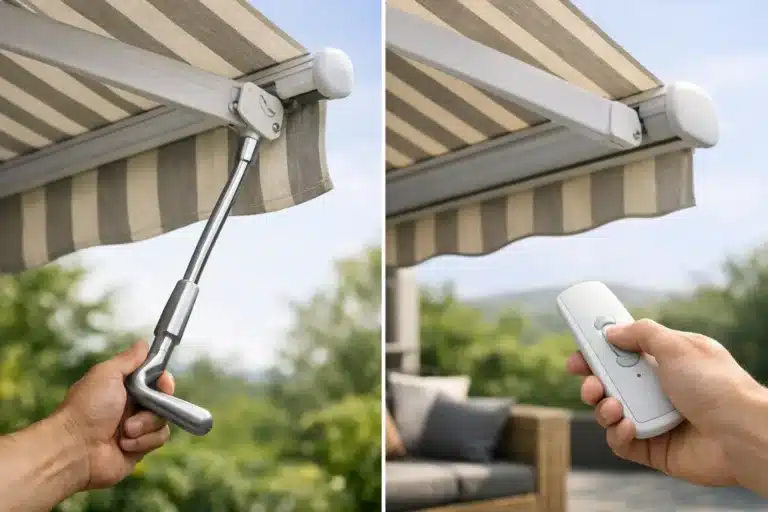
A faded, sagging awning can make an otherwise inviting patio feel tired and less useful at the exact time of day you want to be outside. Awning fabric replacement is often the practical answer when the frame and operating system still work well, but the cover no longer delivers the shade, style, or UV protection your space needs.
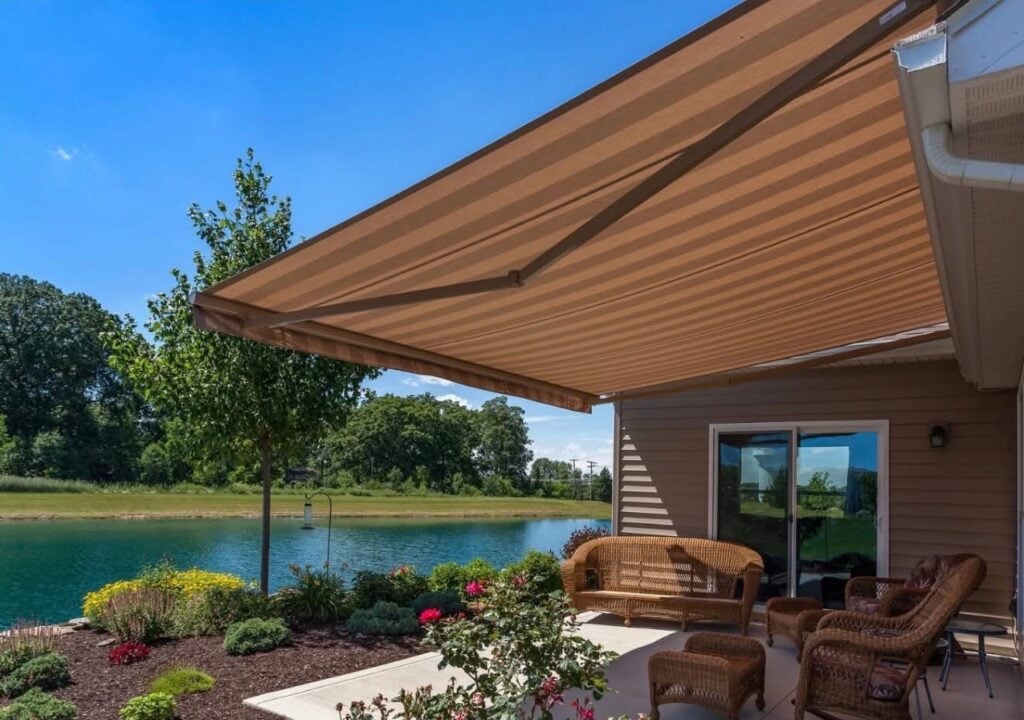
Replacing the fabric rather than the complete awning can refresh a deck, pool area, storefront, or restaurant patio without changing the structure that is already in place. The right new cover can bring back rich color, improve comfort below the awning, and give the entire exterior a more finished appearance.
Start With the Frame, Not the Fabric
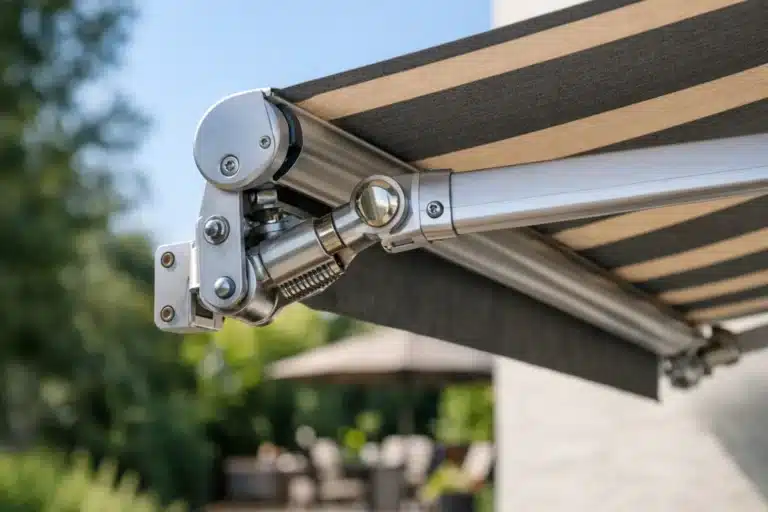
Before selecting a new pattern, take a close look at the awning itself. A fabric replacement makes the most sense when the arms, roller tube, mounting hardware, and frame are in sound condition. A retractable awning should extend and retract smoothly, with arms that remain aligned and a roller that turns without unusual resistance.
Look for surface rust, bent hardware, loose wall brackets, frayed cords, or springs that have lost tension. These issues do not always mean the awning must be replaced, but they should be addressed before new fabric is installed. Putting a fresh cover on a failing system can create more work and expense later.
For stationary awnings, inspect the frame for corrosion, cracked welds, and areas where water may be collecting. A stable frame with a worn cover is an ideal candidate for replacement. If the structure is compromised or no longer properly secured to the building, a new awning system may be the better long-term investment.
Signs It Is Time for Awning Fabric Replacement
Fabric does not need to be completely torn before it deserves attention. Sun, wind, rain, tree debris, and normal use gradually affect even quality exterior materials. Color fading is often the first change homeowners notice, particularly on awnings that face south or west.
More meaningful signs include fabric that has become brittle, small tears around the seams, thinning areas, mildew that returns after cleaning, or a canopy that sags when extended. If water begins to pool instead of shedding off the front edge, the fabric may have stretched beyond a useful point. Pooling water adds weight to the system and should not be ignored.
A replacement can also be a design decision. Perhaps the original stripe no longer suits updated patio furniture, siding, or landscaping. A solid neutral fabric can create a calm, architectural look, while a classic stripe can add personality to a porch or hospitality terrace. The awning should feel like a natural part of the outdoor destination, not an afterthought.
Measure Carefully Before Ordering
Accurate measurements are the foundation of a successful replacement cover. Do not rely only on the size printed on an old invoice or assume the fabric width matches the overall frame width. Different awning designs use different attachment methods, hems, pockets, and valance styles.
For a retractable model, measure the existing fabric from edge to edge and from the roller attachment to the front bar. Note whether the fabric slides into tracks, uses a spline or cord, or is secured with another system. Also measure the projection – the distance the awning extends from the wall when fully open.
For a stationary frame, record the width, projection, and slope, along with the position of any support bars. Measure the old cover before removing it whenever possible. Photographs of the attachment points, end caps, seams, and valance are useful references during ordering and installation.
It is wise to measure twice and compare the results. A cover that is only slightly too narrow may leave gaps or fail to tension correctly. One that is too long can wrinkle, drag, or make the awning difficult to operate. When the system is custom-sized, professional measurement is usually the simplest way to avoid a costly mismatch.
Choose Fabric for Sun, Weather, and Style
The best replacement fabric depends on where the awning is installed and how the space is used. For a residential patio with strong afternoon sun, solution-dyed acrylic is a popular choice because it offers color retention, breathable shade, and a soft textile appearance. It works especially well for areas where people gather for meals, reading, or relaxing.
Vinyl-coated and laminated fabrics can be a good fit when rain resistance and easy cleaning are priorities. They are commonly considered for commercial settings, including storefronts, service windows, and hospitality patios. The trade-off is that less-breathable material can hold more heat beneath the canopy during hot, still weather.
Polyester options may suit certain applications, but quality varies widely. Look beyond the initial price and consider UV resistance, fabric weight, seam construction, and the manufacturer’s warranty. A lower-cost cover that fades or stretches quickly can be more expensive than a better fabric that stays attractive for years.
Color matters for more than curb appeal. Darker fabrics can create a more intimate, shaded feel and often hide dust better, while lighter colors can brighten the space below. Strong contrast stripes make a visible design statement, but they may not coordinate as easily if the property’s finishes change over time. For commercial property owners, selecting a dependable, repeatable color program also helps maintain consistency across multiple locations.
DIY Installation or Professional Help?
Some straightforward fabric changes can be handled by a capable homeowner, especially on a small stationary awning with accessible hardware. The work typically involves removing the old cover, cleaning the frame, sliding or fastening the new fabric into place, and applying even tension before securing the final edges.
Retractable awnings require more caution. The roller assembly and spring-loaded components can be under tension, and the fabric must be aligned precisely to roll evenly. A cover that tracks to one side can rub, crease, or damage the new material. Large awnings are also awkward to handle safely without a second person.
Professional installation is often worth considering for motorized systems, wide patio awnings, commercial applications, or any situation involving damaged hardware. An experienced installer can assess the entire system, make adjustments, and confirm that the fabric is tensioned correctly. That protects both the new cover and the mechanism behind it.
Protect the New Cover From Day One
A replacement fabric will last longer with simple, regular care. Brush away leaves, pollen, and loose dirt before they settle into the weave. Rinse the fabric with clean water as needed, and use a mild cleaner suitable for the material when spot cleaning is necessary. Harsh chemicals and aggressive scrubbing can damage protective finishes or affect color.
Retract the awning during high winds, heavy storms, or when it will not be used for an extended period. Even durable fabrics are not meant to carry standing water or withstand severe weather when fully extended. If the awning is motorized, make sure wind sensors and controls are working as intended.
For businesses, a basic maintenance schedule is particularly helpful. Staff should know when to retract the awning, how to report stains or tears, and who is responsible for seasonal cleaning. Consistent care keeps guest-facing outdoor areas polished and helps protect a valuable shade asset.
A Fresh Cover Can Change How the Space Feels
Awning fabric replacement is not simply a repair. It is a chance to make an outdoor area more comfortable, more usable, and better coordinated with the property around it. A well-chosen cover can turn a hot patio into a place for lunch, give a poolside seating area more relief from glare, or help a restaurant terrace look ready for service.
As an authorized SunPro dealer serving Charlotte, NC, Simpli Shaded understands that the best result comes from matching the fabric to the frame, the local conditions, and the way people use the space. Start with a careful assessment, choose a material built for the environment, and treat the new cover as the finishing layer that makes outdoor living feel easier.
Related on Simpli Shaded: Motorized retractable awnings in Charlotte · Motorized screens · What a motorized awning costs · 0% APR financing for qualified buyers · Areas we serve