A surprise shower should not send everyone running indoors. But if you are asking, are motorized awnings waterproof, the honest answer is more useful than a simple yes or no: most are highly water-resistant and can shed ordinary rainfall when they are installed and positioned correctly. They are not designed to act like a permanent, sealed roof in every weather condition.
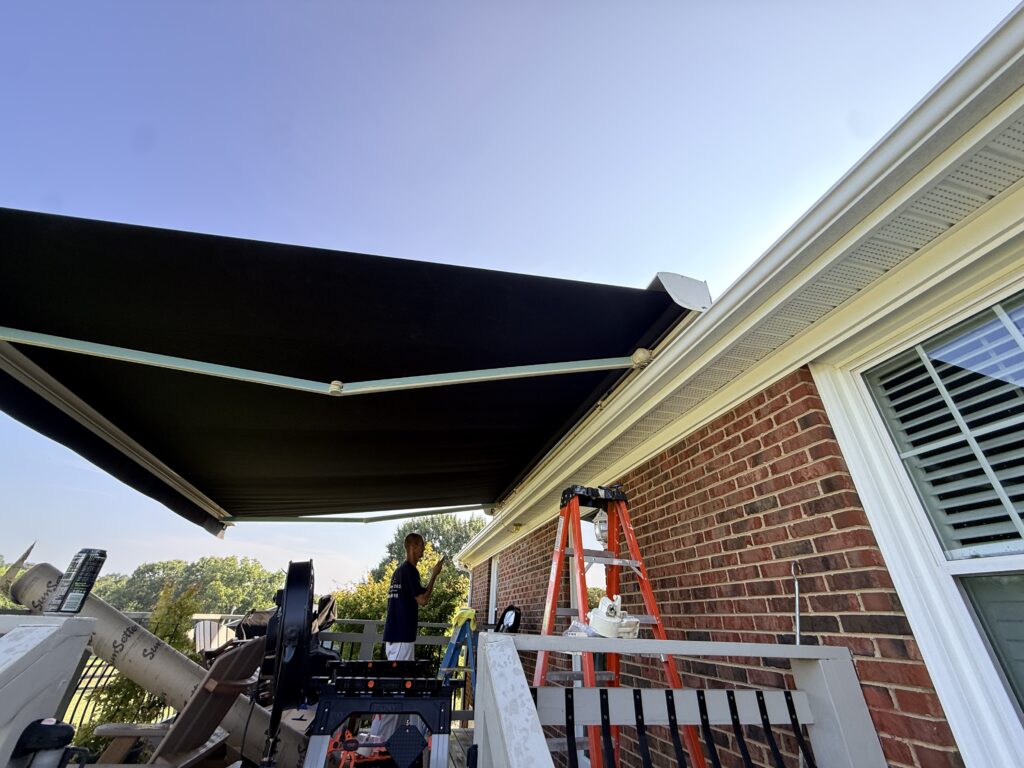
That distinction matters when you are planning a patio that feels comfortable, polished, and usable more often. The right motorized awning can keep a lunch outside going through a light rain, protect cushions from a passing shower, and give a restaurant terrace a more dependable guest experience. It also needs sensible operation when rain becomes heavy, wind picks up, or water begins to collect on the fabric.
Are Motorized Awnings Waterproof or Water-Resistant?
Most quality retractable motorized awnings use tightly woven, outdoor-rated fabric with a protective coating. This material is made to repel water rather than absorb it quickly. When the awning is extended at the proper angle, rain should travel down the fabric and off the front edge instead of dripping through onto the seating area below.
In practical terms, that means an awning can perform very well during light to moderate rain. The word waterproof, however, can create the wrong expectation. A retractable awning has moving arms, a front bar, fabric seams, and an open perimeter. Unlike a fixed patio roof, it is not sealed on all sides, and wind can push rain underneath it.
Fabric condition also changes the answer over time. New, well-maintained fabric sheds water efficiently. Fabric that is worn, dirty, stretched, or damaged may allow moisture through more easily. Water resistance is a performance feature that benefits from basic care, not a permanent guarantee regardless of use.
Why Pitch Makes Such a Big Difference
An awning needs enough slope, often called pitch, for water to run forward and off the fabric. This is one of the most important details in rain performance. A nearly flat awning may look appealing from one viewpoint, but it gives rainwater fewer reasons to move.
When water pools on an awning, the fabric can sag under the weight. That added load puts stress on the arms, roller tube, mounting points, and motorized system. In a severe case, pooled water can damage the awning or create a sudden spillover at the front edge.
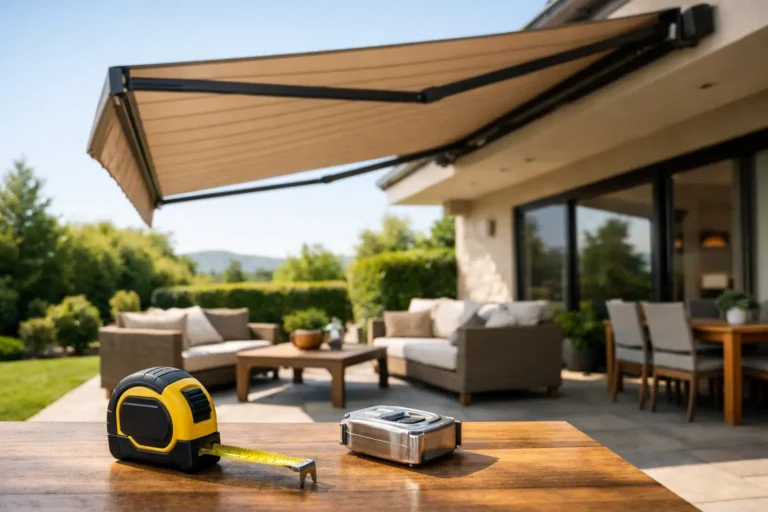
A professional installation accounts for projection, mounting height, and the desired coverage area to create a practical pitch. If you want rain protection to be part of the plan, mention it before selecting a model. The best angle for sunlight, views, and water runoff can vary by patio layout.
What Good Rain Runoff Looks Like
With proper pitch, water forms a steady line of runoff along the front of the awning. You may see water drip from the valance or front bar during a shower. That is normal and usually shows that the fabric is doing its job.
The space directly beyond the front edge will get wet, of course. Arrange dining tables, lounge furniture, and planters with that runoff line in mind. For commercial patios, clear drainage planning helps keep walkways safer and reduces puddles where guests enter or exit the covered area.
When Should You Retract a Motorized Awning?
A motorized awning is best treated as flexible shade and light-rain cover, not storm protection. Retract it when a heavy downpour, strong wind, hail, or thunderstorm is expected. Fast-changing weather is especially worth watching because wind can lift and strain extended fabric before the rain itself becomes an issue.
Retracting the awning is also wise if water begins to pool. Do not assume the motor should be used to force an awning closed while it is holding a large amount of water. The safest approach is to clear the water carefully if possible and follow the manufacturer’s operating guidance. If pooling happens repeatedly, have the pitch and installation inspected.
Wind is often the larger concern. Rainfall alone may be manageable, but rain combined with gusts can create side pressure, move water unpredictably, and stress the structure. A wind sensor can provide helpful peace of mind by automatically retracting an awning when wind reaches a preset level. It is a useful upgrade for homeowners who are away during the day and for hospitality spaces that need consistent operation.
Fabric, Seams, and the Limits of Rain Protection
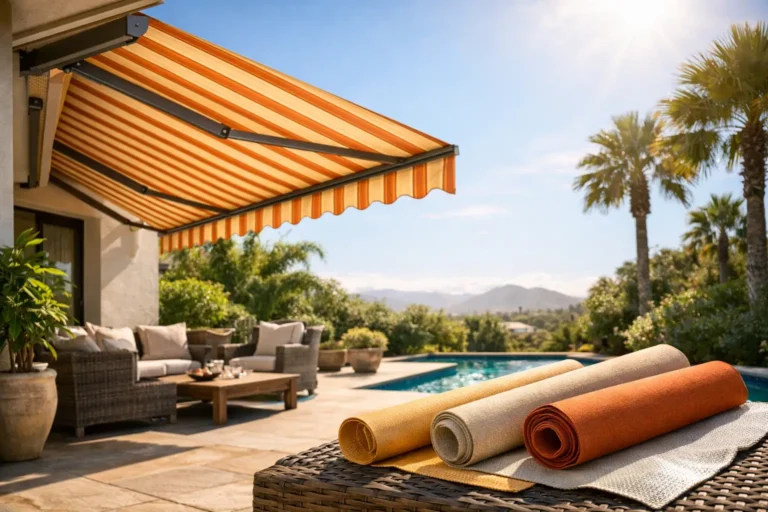
Awning fabric is engineered for outdoor exposure, including sun, moisture, and everyday temperature changes. Acrylic fabrics are popular for their color retention and breathable feel, while coated performance fabrics can offer stronger water-shedding characteristics. The best choice depends on whether your main goal is cooling shade, occasional rain coverage, visual impact, or a combination of all three.
Seams deserve realistic expectations. Even on excellent fabric, stitched areas can be more vulnerable than the main panel during prolonged rainfall. A seam is not necessarily a problem if you notice an occasional drip during a hard storm. It is simply one reason a retractable awning should not be viewed as a watertight roof system.
For a patio that must remain usable through frequent or prolonged rain, a louvered roof, fixed cover, or another more fully engineered weather structure may be a better fit. For many homes, though, a motorized awning offers the better balance: open sky when you want it, dependable shade when the sun is strong, and practical cover for a brief shower.
Keeping Your Awning Ready for Rain
Simple maintenance helps preserve both appearance and water performance. Brush away leaves, pollen, twigs, and other debris before retracting the awning. Debris can trap moisture, create stains, and prevent the fabric from rolling up neatly.
If the awning becomes wet, let it dry fully before retracting it for an extended period whenever conditions allow. Rolling wet fabric away for days can encourage mildew and leave odors or discoloration. If you must retract it during a storm, extend it again to dry when the weather clears.
Clean the fabric with the care method recommended for its material. Avoid harsh chemicals, aggressive scrubbing, and pressure washing, which can damage fibers or protective finishes. Check the frame periodically for loose hardware, and pay attention to changes in how smoothly the awning extends or retracts. Early service is easier than waiting for a small alignment issue to become a larger repair.
Choosing a Motorized Awning for a Wetter Climate
In areas with frequent summer showers, focus on installation quality as much as fabric color or frame style. A correctly mounted awning with a usable pitch is more likely to shed water as intended. Consider how surrounding rooflines, gutters, trees, and wind patterns affect the patio, too. Water pouring from an overhead gutter onto the awning is very different from normal rainfall landing on it.
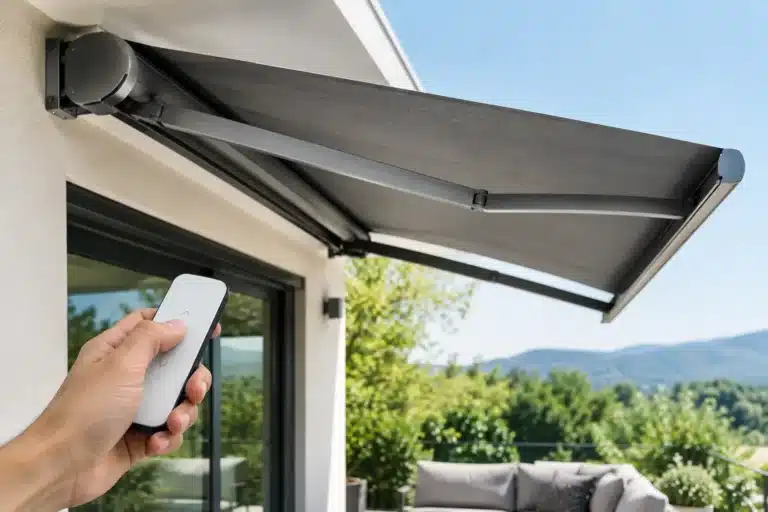
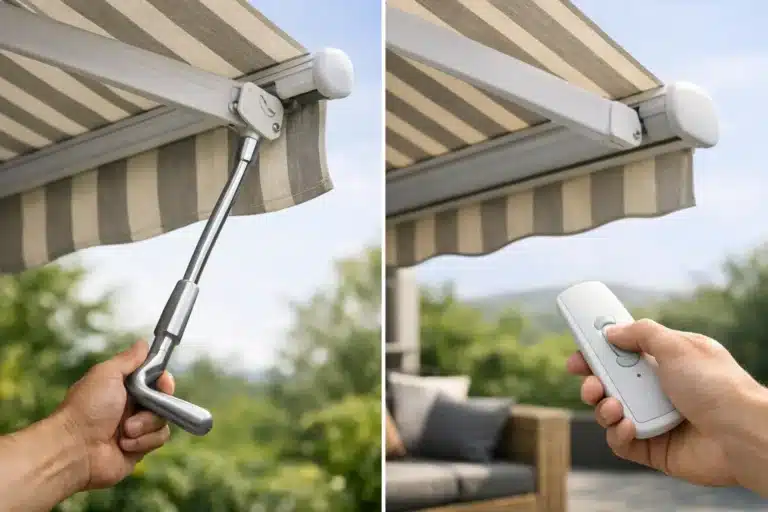
For homeowners, a remote-controlled awning makes it easy to extend shade as the afternoon heats up and retract it quickly when conditions change. For designers and commercial property owners, motorization supports a more refined guest experience and gives staff a fast way to adjust coverage across a patio or dining area.
Simpli Shaded helps make these choices easier by pairing high-quality motorized shade solutions with the practical guidance that outdoor spaces require. The goal is not to overpromise all-weather shelter. It is to create a comfortable, attractive outdoor destination that works beautifully in the conditions it is designed to handle.
A motorized awning can be a smart answer to sun and occasional rain, provided it has proper pitch, quality fabric, and thoughtful use. Let it cover the moments it was built for, retract it before severe weather arrives, and your patio can stay inviting through far more of the season.
Related on Simpli Shaded: Motorized retractable awnings in Charlotte · Motorized screens · What a motorized awning costs · 0% APR financing for qualified buyers · Areas we serve