The difference between a patio that looks inviting and one people actually use at 2 p.m. is often a few feet of well-placed shade. Automated outdoor shading gives homeowners and commercial properties a simple way to manage direct sun, glare, and heat without interrupting the moment. With a button, wall control, app, or sensor, a shade system can extend when the sun is intense and retract when the sky clears.
That convenience matters, but the real value is what it makes possible. Lunch on the deck lasts longer. Poolside seating feels more comfortable. A restaurant patio can stay open through a sunny afternoon rather than losing guests to the heat. The right motorized system also adds a finished, intentional look to an exterior space while helping protect furniture, flooring, and people from harsh UV exposure.
What Automated Outdoor Shading Does Differently
A fixed roof or umbrella creates shade in one position. Automated shade adapts to the conditions around it. A motorized awning can cover a patio when the sun is low and retract to let in daylight later in the day. Exterior screens can reduce glare along a west-facing porch while preserving the view.
This flexibility is especially useful in climates where the weather changes quickly. You do not have to wrestle with a manual crank when guests arrive or when the patio begins to heat up. With properly selected controls, the system can respond to sun, wind, or rain conditions with less day-to-day effort.
Automation should not be confused with a one-size-fits-all solution. A compact townhouse patio has different needs than a wide pool deck, and a café terrace faces a different set of demands than a private backyard. The best approach starts with how the space is used, when it receives direct sun, and how much coverage is needed.
Choosing the Right Automated Outdoor Shading System
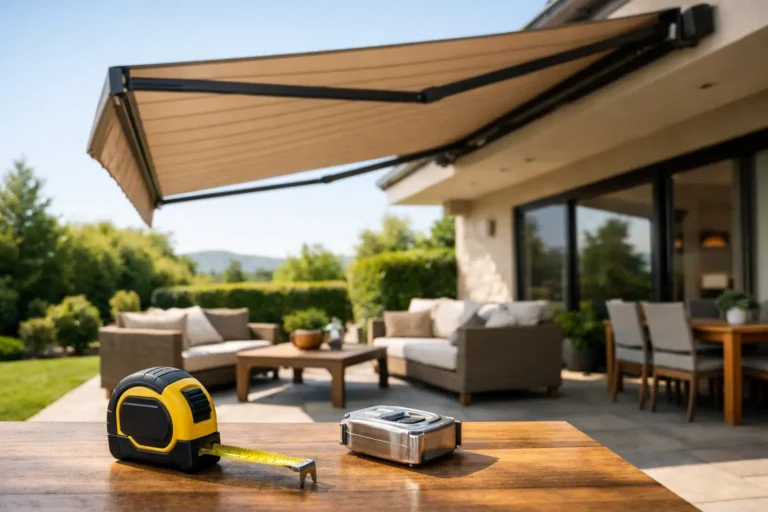
Motorized retractable awnings are often the most practical choice for patios and decks that need broad, flexible coverage. They mount to the home or structure and extend outward to create a comfortable living area beneath. When retracted, they preserve open sky and avoid the permanent visual weight of a fixed cover. They work particularly well over outdoor dining tables, lounge seating, and doors where summer sun pours into the home.
Exterior motorized screens are a strong option for porches, covered patios, pergolas, and commercial openings. Rather than creating an overhead roof, they lower vertically to block low-angle sun, reduce glare, and add a degree of privacy. Depending on the fabric selected, screens can help maintain outward visibility while softening bright light. They are useful when the main problem is the sun coming in from the side rather than directly overhead.
The product should follow the purpose. If the goal is to cool a sunny patio during the hottest part of the day, an awning may be the clearest answer. If late-afternoon glare makes a covered porch uncomfortable, screens may be more effective. If a commercial property needs a durable, design-forward gathering area, a louvered structure may justify the additional planning and budget.
Think About Sun Direction, Not Just Square Footage
Many shade projects are sized by patio dimensions alone. Coverage matters, but sun direction matters just as much. A south-facing area may need protection from high midday sun. A west-facing deck often needs help later in the day, when glare and heat can be at their worst. Nearby trees, rooflines, windows, and neighboring buildings also change the path of sunlight.
Before selecting a system, spend a few days noticing when people stop using the space. Is the dining table uncomfortable at lunch? Does a glass door throw heat into the adjacent room? Does a poolside seating area become unusable after 4 p.m.? Those observations make it much easier to choose the right projection, screen placement, or louver orientation.
Controls and Sensors Make Shade Easier to Use
The simplest automated system may use a handheld remote or wall switch. That alone can make a meaningful difference because shade is more likely to be used when operating it takes seconds. App-based controls add convenience for homeowners who want to adjust the system from inside the house or set basic schedules around their routines.
Sensors can add another layer of protection and comfort. A sun sensor can extend an awning or lower a screen when direct sunlight reaches a set level. A wind sensor can retract a compatible awning when gusts become too strong. These features are helpful for busy households and commercial teams, but they are not a replacement for good judgment during severe weather.
Wind is the key trade-off with retractable products. An extended awning creates a broad surface that should not be left out in high winds, storms, or when a property will be unattended for long periods without appropriate controls. Automation can reduce the chance of oversight, but installation, sensor setup, and everyday use should follow the manufacturer’s guidance.
It is also worth deciding how much automation is genuinely useful. A homeowner who wants quick, reliable control may be perfectly served by a remote and wind sensor. A restaurant with multiple shade zones may benefit from grouped controls, timers, and programmed settings for opening and closing service. More features can improve convenience, but only if the staff or household will use them consistently.
Style and Fabric Choices Have a Practical Job
Outdoor shade should feel like part of the property, not an afterthought attached to it. Frame color, fabric pattern, and scale should coordinate with exterior finishes, furniture, railings, and landscaping. Neutral solids can create a clean, architectural appearance. Stripes and textured fabrics can bring more personality to a traditional patio or poolside setting.
Looks are only part of the decision. Fabric color affects the feeling underneath the shade. Lighter colors can brighten a covered area, while darker fabrics may reduce glare more effectively and create a more intimate feel. The best choice depends on the amount of sun, the desired view, and the overall color palette.
Quality exterior materials are designed for sun exposure, but no fabric is completely maintenance-free. Occasional cleaning, keeping the system clear of leaves and debris, and retracting an awning in poor weather will help preserve its appearance and performance. A knowledgeable shade specialist can help match fabric and hardware to the local environment, whether that means humid summers, intense desert sun, coastal conditions, or frequent afternoon storms.
A Better Outdoor Investment Starts With Installation
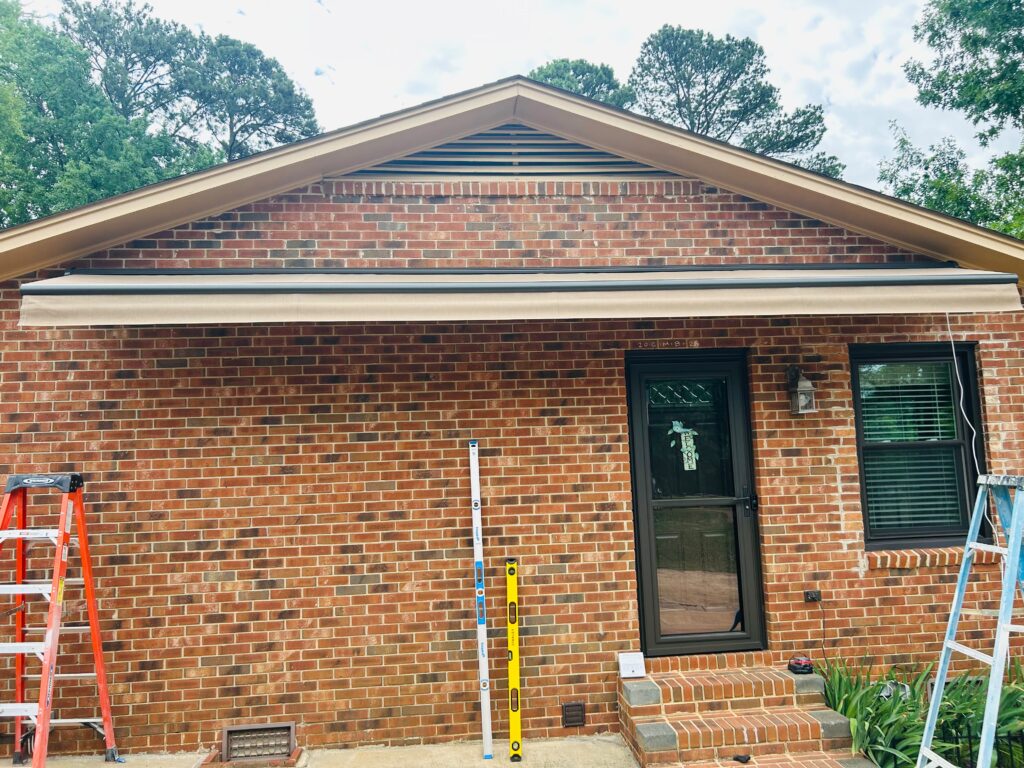
Motorization adds convenience, but dependable performance starts with the structure behind the product. A retractable awning needs secure mounting and proper support. Screens need correctly measured openings and clean side tracks or guides.
This is why product expertise matters. A shade system may look straightforward once it is installed, yet the details of measuring, mounting, electrical planning, and control placement shape how well it performs over time. Simpli Shaded, an authorized SunPro dealer in Charlotte, NC, works to make those choices easier for homeowners, designers, and commercial property owners.
For commercial projects, consistency is equally important. Hospitality venues, retailers, and multi-location operators need shade products that support a polished guest experience while fitting established design standards. Clear product specifications, dependable dealer support, and organized pricing policies help teams plan with confidence rather than treating shade as a last-minute accessory.
Make the Space You Already Have More Usable
Automated shade is not simply about avoiding the sun. It is about giving an outdoor space more usable hours and a more comfortable purpose. A deck becomes a place to work or eat during the day. A pool area feels more welcoming for children and guests. A restaurant patio can offer a more dependable experience through changing conditions.
Start with the times and places where outdoor comfort breaks down, then choose a system that addresses that specific problem. When shade responds easily to the way people live, gather, and relax, the patio stops being an area that is only pleasant in perfect weather and becomes a destination worth using more often.
Related on Simpli Shaded: Motorized retractable awnings in Charlotte · Motorized screens · What a motorized awning costs · 0% APR financing for qualified buyers · Areas we serve