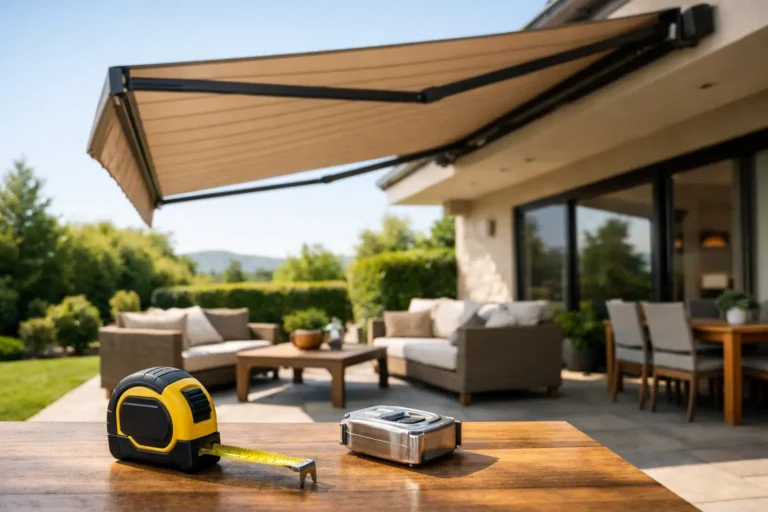
A patio can have comfortable furniture, a beautiful view, and plenty of room for guests, yet still sit empty when the afternoon sun arrives. Exterior shades change that equation. By managing direct sunlight, glare, heat, and light rain, they help turn a deck, pool area, restaurant terrace, or backyard patio into a place people can actually use for more of the day.

The best shade solution is not always the largest one. It is the one that fits the way the space is used, the direction it faces, the local weather, and the look of the property. For homeowners, that may mean a retractable awning over a dining set. For a hospitality venue, it may mean a coordinated system that gives guests a more comfortable seat while supporting a polished outdoor atmosphere.
What Exterior Shades Solve Beyond Bright Sun
Sunlight is only part of the problem. A west-facing patio can become uncomfortable because of low-angle glare, even when overhead coverage is already in place. A poolside seating area may need a cooler retreat without blocking every bit of sky. A storefront or restaurant patio may need shade that makes outdoor seating more appealing without hiding the building’s character.
Well-chosen exterior shades address these details before sunlight reaches the glass, furniture, or people beneath them. That distinction matters. Interior window coverings can reduce glare indoors, but exterior coverage stops more solar heat before it enters the space. On patios and decks, shade also helps protect cushions, rugs, and finishes from fading over time.
There is a lifestyle benefit, too. When the outdoor table is not painfully hot at lunch and guests are not squinting into the sun at dinner, the space becomes easier to enjoy spontaneously. Shade does not have to make an area dark or closed in. The right design can soften harsh light while keeping the outdoor setting open and inviting.
Start With How You Use the Space
Before comparing fabrics, frame colors, or operating options, look at what happens in the area on a typical day. Notice when direct sun begins, where it falls, and when people tend to use the space. Morning coffee on an east-facing porch calls for a different approach than late-afternoon entertaining on a west-facing deck.
For a dining area, prioritize coverage over the table and enough clearance for chairs to move comfortably. For a lounge area, consider where people recline and whether the sun shifts across the space during the afternoon. Poolside shade often works best when it creates a dedicated cool-down zone rather than attempting to cover the entire pool deck.
Commercial settings deserve the same careful thinking at a larger scale. A restaurant may need shade that protects several tables while leaving clear paths for service. A hotel may want coordinated coverage near cabanas, lounges, or outdoor dining to create a more intentional guest experience. In each case, shade is both a comfort feature and part of how the space presents itself.
Choose the Right Type of Shade Coverage
Different exterior shade products solve different problems. A fixed structure provides reliable, always-on coverage, while a retractable option gives you more control over sun and open-sky views. Neither is automatically better. The right choice depends on flexibility, budget, exposure, and design goals.
Retractable awnings for flexible patios and decks
Retractable awnings are a natural fit for patios, decks, and outdoor dining areas where homeowners want shade when it is hot but prefer an open view at other times. When extended, they create a broad area of overhead coverage. When retracted, they preserve the look and light of an uncovered outdoor space.
Motorized operation makes that flexibility especially practical. Instead of treating the awning as a seasonal feature that stays in one position, you can adjust it as the weather and your plans change. A motorized awning is especially useful for large units, higher mounting locations, and spaces used frequently for entertaining.
The trade-off is that retractable awnings need thoughtful placement and appropriate care for local conditions. They are designed for sun protection and may offer light-rain coverage depending on the model and pitch, but they should not be treated like a permanent roof. Wind conditions, mounting surface, and projection all deserve attention during planning.
Exterior solar shades for glare and privacy
Exterior solar shades are often the right answer when the problem is low sun, glare, or heat coming through large windows and openings. They can help preserve a view while filtering intense light, making them useful for covered patios, porches, sun-facing rooms, and commercial storefronts.
Fabric openness matters here. A more open weave generally maintains a clearer outward view and allows more light through. A tighter weave offers greater privacy and more light control. The best choice depends on whether your priority is seeing out, shielding an exposed area, or reducing glare near screens and dining spaces.
Freestanding shade for open layouts
Not every outdoor destination has a wall or roofline where an awning can be installed. Freestanding options are useful over detached seating areas, pool lounges, garden patios, and commercial spaces with flexible layouts. They can define an outdoor zone and add visual structure without requiring the space to connect to the home or building.
Because they stand independently, anchoring and wind exposure become particularly important. An attractive freestanding shade solution should feel stable and purposeful, not like an afterthought placed in the middle of the yard.
Plan for Sun, Wind, and Mounting
A shade product performs best when it is selected for the conditions around it. Sun direction is easy to overlook because it changes throughout the year. Spend a day observing the space, or take photos at several points from morning through evening. This simple step can reveal whether you need overhead protection, vertical screening, or a combination of both.
Wind deserves equal attention. Open lots, upper-level decks, waterfront properties, and exposed commercial patios may experience stronger gusts than a sheltered backyard. A professional can help identify an appropriate product, mounting method, and operation plan for those conditions. For motorized products, wind sensors can add a practical layer of protection by retracting an awning when conditions change.
Mounting should never be assumed. A reliable installation depends on a suitable structural surface, not just the appearance of the exterior wall. Homes with brick, stucco, siding, roof overhangs, or unusual framing may require different planning. Clear measurements and knowledgeable guidance prevent the common frustrations of selecting a beautiful shade solution that does not fit the installation conditions.
Match Performance With Your Design
Exterior shades should work hard, but they also become a visible part of the property. Frame finish, fabric color, valance style, and scale influence whether the final result feels integrated with the home or business.
Neutral fabrics often blend easily with a wide range of exterior finishes and can keep a space feeling calm. Stripes and richer colors can add personality, especially in lively poolside or hospitality settings. Darker fabrics may offer a clearer view through certain solar shade materials, while lighter colors can create a brighter feeling beneath an awning. There is no universal best color. Think about the building, furniture, landscaping, and the atmosphere you want guests to experience.
Scale matters as well. A shade that is too small leaves the most-used part of the patio exposed. One that is oversized for the setting can feel heavy or obstructive. The goal is balanced coverage: enough shade where people gather, with a design that still respects the architecture and surrounding view.
Make the Buying Process Easier
The most useful first step is to gather a few basics: width and depth of the area, photos of the mounting location, the time of day the sun is most disruptive, and a clear idea of how the space is used. Those details make product selection far more straightforward.
For larger projects, designers and commercial property owners also benefit from a structured product catalog, consistent finish options, and clear pricing policies. A dependable shade partner helps streamline specification and ordering while keeping the final installation aligned with the property’s needs. As an authorized SunPro dealer serving Charlotte, NC, Simpli Shaded approaches this process with the practical guidance that outdoor spaces require.
The most satisfying shade upgrade is the one you notice less because it simply makes the space work better. Choose coverage that suits your sun exposure, operating preferences, and design style, then enjoy the extra hours your favorite outdoor area has to offer.
Related on Simpli Shaded: Motorized retractable awnings in Charlotte · Motorized screens · What a motorized awning costs · 0% APR financing for qualified buyers · Areas we serve