
A retractable awning earns its place every time it turns a hot, exposed patio into a comfortable spot for lunch, poolside breaks, or a relaxed evening outdoors. A little regular attention keeps that shade looking polished and operating smoothly. Retractable awning maintenance is not complicated, but timing matters: cleaning small messes early and checking moving parts before the season can help prevent bigger, more expensive problems later.
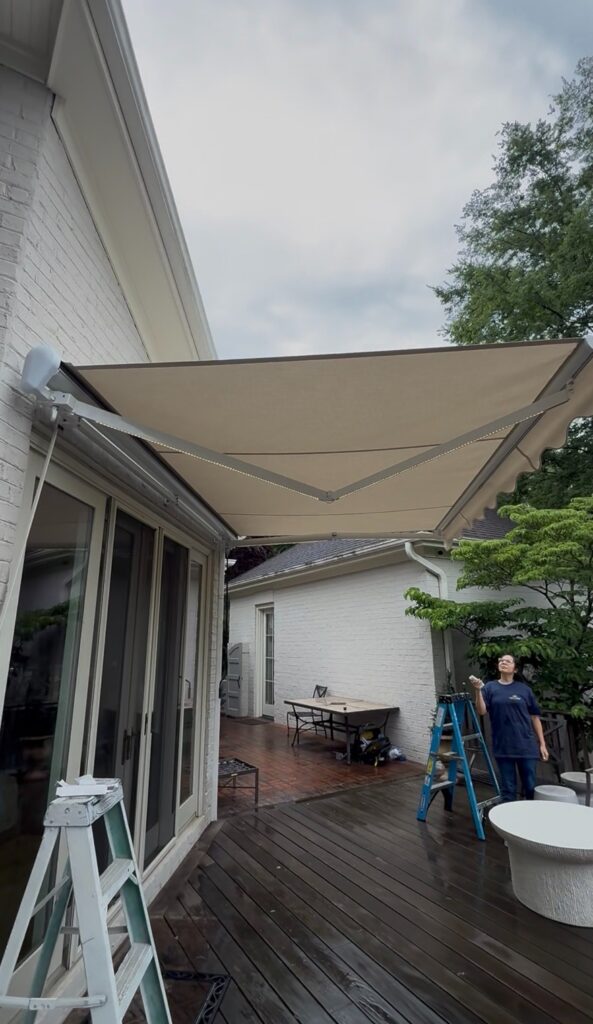
Whether your awning is manually operated or motorized, the goal is the same. Protect the fabric, keep the frame clear and secure, and use the awning in conditions it was designed to handle. That approach preserves the comfort, UV protection, and finished look that make an outdoor space more usable.
Start With Safe, Everyday Awning Habits
The best maintenance happens before a stain sets in or a mechanical issue develops. Retract the awning when it is not needed, especially before a strong storm, heavy wind, or extended period away from home. Even durable outdoor shade is not intended to act like a permanent roof in severe weather.
If the fabric is wet from rain or morning dew, extend it again as soon as weather allows so it can dry completely. Closing a wet awning for a long period can trap moisture, encouraging mildew and leaving odors or stains behind. If a passing shower is light and conditions are calm, letting the awning dry open is usually the better choice.
Keep an eye on what sits beneath and around the awning as well. Patio heaters, grills, fire pits, and trees can all create avoidable issues. Heat and smoke can discolor fabric, while branches, falling sap, and leaf debris can make cleaning more frequent. Position furniture and heat sources with enough clearance to protect the canopy and allow the awning to extend freely.
Clean the Fabric Gently, Not Aggressively
Awning fabric is built for outdoor exposure, but it still benefits from a gentle cleaning routine. For most homes, a light rinse and brushing once or twice a season is enough. Properties with nearby trees, coastal air, heavy pollen, or frequent bird activity may need more attention.
Begin by extending the awning fully on a dry, calm day. Use a soft brush or broom to remove loose leaves, dust, and debris from the top and underside of the fabric. A garden hose with a gentle spray can rinse away remaining surface dirt. Avoid pressure washers. Their force can damage fibers, weaken seams, or push water where it does not belong.
For spots that remain, use a mild soap mixed with lukewarm water and a soft-bristle brush or sponge. Work in small sections without scrubbing harshly, then rinse thoroughly. Let the fabric air-dry fully before retracting it.
Treat Stains Based on What Caused Them
Not every stain responds to the same method. Bird droppings, pollen, and ordinary patio dust are usually manageable with mild soap and water. Tree sap, mildew, grease, or barbecue smoke may require a fabric-safe cleaner recommended for your specific awning material.
Test any cleaner in an inconspicuous area first. Bleach, abrasive powders, strong solvents, and stiff wire brushes can strip protective finishes or alter the fabric color. If mildew returns repeatedly, look for the cause rather than simply cleaning the spot. Persistent moisture, poor drying habits, or overhanging vegetation may be part of the problem.
Inspect the Frame, Arms, and Mounting Points
A seasonal inspection gives you a clear view of how your awning is holding up. With the canopy extended, look over the frame for dirt buildup, scratches, corrosion, loose fasteners, or bent components. Wipe aluminum parts with a damp cloth and mild soap, then dry them to keep the frame looking clean.
Pay close attention to the mounting bracket area. The brackets should sit firmly against the wall, roofline, or mounting surface without visible movement. If you notice loose hardware, cracks in the surrounding surface, or water intrusion near the installation point, stop using the awning until a qualified professional can assess it. Tightening a bolt without understanding why it loosened may not solve the underlying issue.
Check the arms as the awning opens and closes. They should move evenly and without jerking, grinding, or rubbing against the fabric. A small amount of normal operating sound is expected, but a sudden new noise deserves attention. Do not force an awning that hesitates or stops before reaching its usual position.
Care for the Motor and Controls
Motorized awnings make everyday shade simple, but the electrical components should be treated with care. Test the remote, wall switch, or app controls periodically rather than waiting until the first hot weekend of the year. Replace remote batteries when response becomes inconsistent, and make sure the path of the awning is clear before operating it.
If your awning has a wind sensor, rain sensor, or automatic sun control, confirm that it is working according to the manufacturer’s instructions. These features can add convenience, but they are not a substitute for sound judgment. If a severe storm is expected, retracting the awning yourself remains the safest choice.
Avoid applying household lubricants to the motor, arms, or moving joints unless the product instructions specifically call for it. Too much lubricant can collect grit and make movement less smooth over time. A technician can identify the correct product and application points if lubrication or adjustment is needed.
Know When to Call for Service
Some maintenance is ideal for homeowners or facility teams. Cleaning the fabric, clearing debris, and observing normal operation are straightforward tasks. Electrical work, motor replacement, arm tension adjustments, and structural mounting concerns are best left to trained service professionals.
Schedule service if the awning retracts unevenly, fabric sags noticeably, the motor hums without moving the canopy, or the arms appear misaligned. The same applies if water pools on the fabric. A small adjustment early can often protect the fabric and frame from additional stress.
For hospitality patios and commercial outdoor dining areas, a routine documented inspection is especially helpful. Staff should know who is responsible for retracting the awning at closing, before storms, and during high-wind conditions. Consistent procedures protect the investment while keeping the guest area attractive and ready for use.
Use a Simple Seasonal Maintenance Schedule
Spring is the right time for a full visual inspection after winter. Clean the fabric, remove debris from the cassette or cover, test operation, and check the mounting points. This is also a good time to trim nearby branches before they scrape the canopy.
During summer, focus on small, frequent checks. Brush off leaves, rinse away pollen, and allow the fabric to dry after rain. Watch for changes in how the awning opens and closes, particularly after windy weather.
In fall, clean the awning before leaves and moisture accumulate. If your region experiences freezing temperatures, snow, or extended winter storms, retract the awning and keep it protected in its cassette when not in use. An awning should never be left extended under snow load.
Protect the Look of Your Outdoor Space
An awning is a practical shade solution, but it is also part of the visual design of a deck, patio, storefront, or pool area. Clean fabric and a well-maintained frame help the entire space feel more inviting. That matters whether you are creating a weekend retreat at home or welcoming guests to a restaurant terrace.
At Simpli Shaded, we see maintenance as part of enjoying your investment, not another complicated home project. A consistent routine gives you more confidence that your awning will be ready when the sun is strongest and your outdoor plans are at their best.
Set a reminder at the start of each season, take ten minutes to look over the fabric and frame, and address small changes early. Your patio will stay more comfortable, more polished, and far more ready for the time you want to spend outside.
Related on Simpli Shaded: Motorized retractable awnings in Charlotte · Motorized screens · What a motorized awning costs · 0% APR financing for qualified buyers · Areas we serve