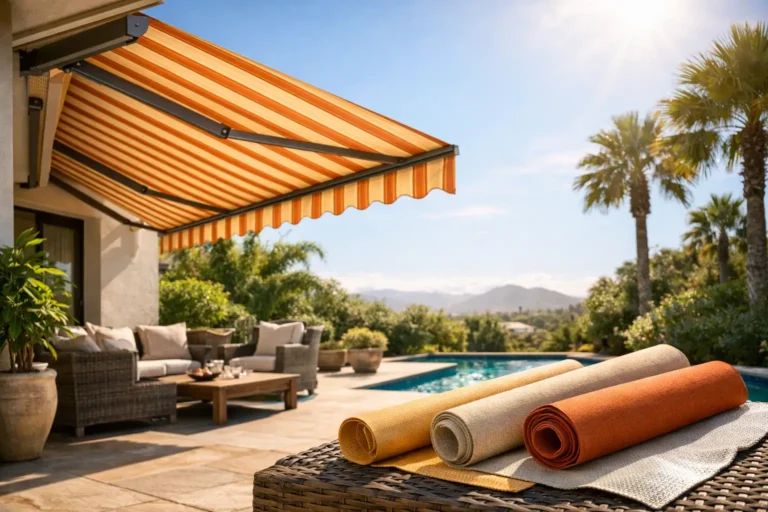
A porch can have beautiful furniture, a finished ceiling, and a view worth sitting down for, yet still go unused when late-afternoon sun turns it into the hottest spot in the yard. Outdoor roller shades for porch areas solve that everyday problem without closing off the space you worked to create. Lower them when glare, heat, wind, or nearby activity gets in the way. Raise them when you want an open-air view.
The right shade does more than block sunlight. It helps turn a porch into a comfortable place for morning coffee, family dinners, remote work, and relaxed evenings. The key is choosing an exterior-rated system that fits the porch, the climate, and the way you plan to use the space.
What Outdoor Roller Shades Change on a Porch
Porches often have roofs, which makes them feel protected, but a roof alone does little against low-angle sun. As the sun moves across the sky, it can shine directly under the roofline, creating glare on a phone or television, heating up seating, and fading cushions over time. An exterior roller shade creates a vertical layer of protection where it matters most.
Solar screen fabrics are designed to filter light while preserving a connection to the outdoors. Depending on the fabric openness, you can soften bright conditions and maintain an outward view rather than turning the porch into a dark room. This makes roller shades especially useful on west-facing porches, poolside pavilions, covered decks, and outdoor kitchens.
They also add a useful degree of privacy. A shade lowered along one exposed side can make a porch feel more settled when neighbors are nearby or when a property faces a street. Privacy varies by fabric, color, lighting conditions, and time of day, so it is best to think of a solar screen as visual filtering rather than a complete blackout solution.
Choosing Outdoor Roller Shades for Porch Openings
A good-looking installation starts with the right decisions before the order is placed. Measure the actual opening, but also consider where the shade will mount and how the material will travel when lowered. A porch with substantial posts and headers may allow an inside or surface mount. An open structure may need a different mounting approach to create the coverage you want.
Start with Sun Direction and Daily Use
Watch the porch at the times you use it most. If breakfast is uncomfortable because of eastern sun, the needs may be different from a porch that overheats from the west every afternoon. A south-facing exposure may benefit from shades that stay down for longer stretches during the day, while a screened-in porch may need shades primarily for glare control and privacy.
Think about the activities happening under the roof, too. Dining spaces usually benefit from glare reduction and airflow. A media area may call for more light control. A porch used for reading or lounging may prioritize a clear outward view. These details guide the fabric choice more effectively than selecting a shade based on color alone.
Select Fabric for View, Shade, and Privacy
Solar screen fabrics are commonly described by openness factor, which refers to how much of the weave is open. A more open fabric generally provides a clearer view and more daylight. A tighter weave offers more shade and privacy but can make the porch feel more enclosed.
There is no universal best choice. A home with a scenic backyard may favor a more open weave to keep the view present. A porch beside a busy sidewalk may benefit from a tighter fabric. Darker screen fabrics often provide stronger outward visibility during daylight, while lighter fabrics can reflect more light and coordinate well with light-colored trim. Samples are valuable because the same fabric can look very different against brick, siding, wood, and surrounding landscaping.
For a porch that needs rain and wind protection in addition to sun control, clear vinyl or specialty weather-screen options may be worth considering. These materials create a different experience from solar mesh. They can offer more enclosure, but they also reduce airflow and require thoughtful use in changing weather.
Choose Manual or Motorized Operation
Manual roller shades remain a practical choice for smaller, easy-to-reach porch openings. They offer direct control with a simple operation and can be a strong fit for one or two shades that will not be adjusted constantly.
Motorized shades are especially helpful for wider openings, multiple shade panels, or high mounting locations. With a button, remote, wall control, or compatible smart control, it is much easier to lower shades when the sun shifts or raise them before guests arrive. For homeowners, that convenience encourages regular use. For restaurants, clubhouses, and hospitality patios, it helps staff manage several openings quickly and maintain a polished appearance throughout the day.
Power planning matters. Some installations need a nearby electrical source, while others may use rechargeable battery options. The best choice depends on shade size, frequency of use, access to power, and the desired control method.
Why Side Tracks Matter in Windy Areas
An outdoor roller shade is exposed to conditions that indoor shades never face. Even a covered porch can experience gusts, rain spray, pollen, temperature swings, and moving air from ceiling fans. For exposed locations, a guided system with side tracks or retention channels can make a major difference.
Side tracks help hold the fabric closer to the opening, reducing side gaps and limiting movement in breezy conditions. They also create a cleaner, more finished appearance. A free-hanging shade can be appropriate in a protected porch, but it may sway, rattle, or need to be raised more often when wind picks up.
No shade should be treated as a storm barrier. During severe weather, follow the product guidance and raise the shade when conditions require it. Choosing an exterior-rated system, using sound mounting surfaces, and working with an experienced installer are the practical foundations of long-term performance.
Installation Details That Affect the Finished Look
The best porch shades look intentional, not added as an afterthought. That comes down to proportion, placement, and hardware coordination. When possible, align the shade housing with the porch header and center it over the opening. Consider the post spacing, railings, light fixtures, fans, and door swings before finalizing dimensions.
Mounting above the opening can provide fuller coverage, but it requires enough solid structure for secure attachment. Mounting within an opening may look more integrated, although it can reduce the usable width slightly. For large openings, multiple coordinated shades may operate better and look more balanced than one oversized panel.
Hardware color deserves the same attention as fabric color. A housing and side-track finish that works with the porch trim, window frames, or roofline helps the system blend into the architecture. This is one reason a specialized shade partner is helpful: details that seem small on paper have a visible effect after installation.
Care That Keeps Exterior Shades Looking Good
Outdoor fabrics are made for exterior use, but basic care protects their appearance and movement. Periodically rinse away dust, pollen, and loose debris with clean water. For more noticeable buildup, use mild soap, a soft cloth or brush, and a gentle rinse. Avoid abrasive cleaners, harsh chemicals, and pressure washing directly at the fabric or operating components.
Let the shade dry before rolling it up after cleaning or heavy rain when possible. Keep the bottom bar and guide areas clear of leaves, insect nests, and dirt. If operation changes, such as unusual noise or uneven movement, address it early rather than forcing the shade. Small adjustments are easier before wear becomes more significant.
A Practical Shade Upgrade for Homes and Businesses
For homeowners, porch roller shades make a familiar space easier to enjoy across more hours of the day. For designers, dealers, and hospitality buyers, they offer a clean, repeatable way to improve comfort without changing the structure itself. The right system can support a more refined guest experience while protecting furnishings and reducing glare across several connected openings.
Simpli Shaded brings more than 30 years of exterior-shade experience to this decision, helping customers focus on the factors that genuinely shape results: exposure, fabric, mounting, controls, and fit. A well-planned shade should feel simple once it is in place – lower it when the porch needs comfort, raise it when the outdoors calls.
Before choosing a fabric or control style, spend one afternoon on your porch and notice where the sun lands, when the wind changes, and which view you want to preserve. Those observations will point you toward a shade solution that makes the space feel like a destination, not a room you avoid until sunset.