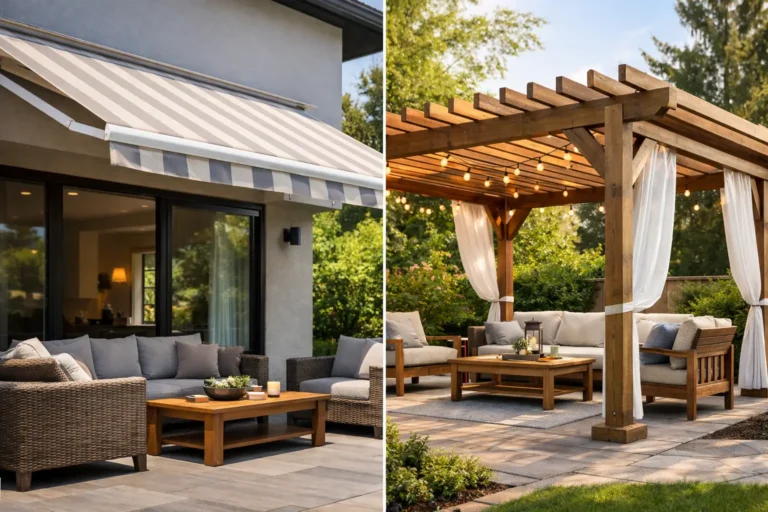
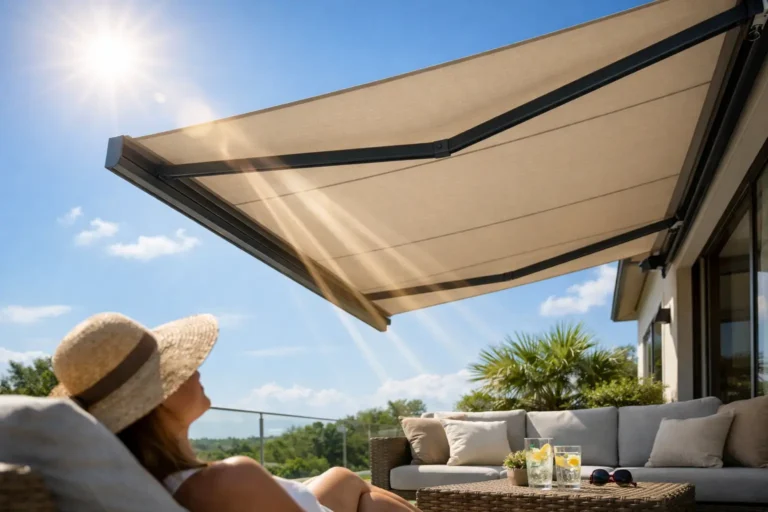
A cantilever umbrella creates shade where a traditional center-pole umbrella cannot: over a dining table, a conversation set, chaise lounges, or the edge of a pool. That open, flexible coverage is exactly what makes choosing the right cantilever umbrella base so important. Because the canopy extends out from the pole, the base must counterbalance more than the umbrella’s weight. It needs to handle the leverage created by an open canopy, shifting sun angles, and everyday breezes.
A base that is too light or poorly matched can make an otherwise beautiful outdoor setup feel unstable. A well-chosen one helps your patio feel polished, comfortable, and ready to use more often.
Why a Cantilever Umbrella Base Needs More Weight
A standard market umbrella places its pole through the center of a table or stand, so much of its weight sits directly over the base. A cantilever umbrella works differently. Its side-mounted pole supports a canopy that reaches outward, placing more force on the frame and base.
Think of it like holding a heavy bag close to your body versus holding it at arm’s length. The bag weighs the same, but the second position requires much more support. That is why a cantilever umbrella base is typically larger, heavier, and more specifically engineered than a basic umbrella stand.
The goal is not simply to keep the umbrella upright on a calm afternoon. The base should help the umbrella remain secure during normal use, including when the canopy is rotated or tilted to block lower-angle sun. Even a quality base has limits, though. Cantilever umbrellas should always be closed when wind picks up or when they are left unattended.
Start With the Umbrella Manufacturer’s Requirement
The easiest way to select a base is to begin with the umbrella’s product specifications. Manufacturers usually state the required base weight, compatible base style, and whether additional weights are needed. Those details matter because canopy size, frame design, and opening mechanism all affect how much counterweight is necessary.
Do not assume a base that worked for a smaller umbrella will work for a larger offset model. A 10-foot or 11-foot canopy may need significantly more weight than a compact patio umbrella. Square canopies can also catch wind differently than round ones, particularly when positioned beside an open yard, rooftop, waterfront, or pool deck.
If your umbrella is designed for a cross-base, use the matching weight plates or a base system intended for that frame. If it uses a freestanding pedestal or a rolling base, confirm the pole diameter and mounting connection before purchasing. A secure fit is just as important as total weight.
Weight Plates vs. One-Piece Bases
Many cantilever umbrellas use a cross-shaped base that sits flat on the ground. Separate weight plates are placed in each section of the cross-base. This format is popular because it is easier to move and install than one solid, extremely heavy base.
Weight plates may be filled with water or sand, or they may come as solid concrete, resin, or metal pieces. Water-fill plates are convenient for seasonal setups, but they generally provide less weight than sand-filled or solid alternatives. They can also need extra attention in freezing weather. Sand provides more ballast, while solid plates offer dependable weight with no filling required.
A one-piece base can be a good fit when a clean, permanent-looking foundation is the priority. Some include wheels, which can make it easier to reposition the umbrella across a large patio. If you choose a rolling base, look for reliable wheel locks and use them every time the umbrella is open.
Match the Base to Your Outdoor Surface
The surface beneath your umbrella affects both stability and day-to-day usability. On a level concrete patio, most properly matched base systems perform as intended. On pavers, check that the area is even and that the base rests fully supported rather than rocking across uneven joints.
Wood and composite decks deserve a closer look. A heavy base can concentrate a substantial load in one area, especially when filled with sand or water. Confirm that the deck structure can support the weight, and consider a protective pad beneath the base to reduce scuffing and help prevent moisture from being trapped against the decking.
For grass or gravel, a portable base alone may not be the best answer. The surface can settle, shift, or become uneven after rain. In these settings, a professionally installed ground anchor or a more permanent mounting solution may offer a safer, cleaner result. Commercial patios and hospitality spaces often benefit from fixed mounting systems because they reduce trip hazards and make furniture layouts easier to maintain.
Consider Wind Before You Consider Style
Color and finish matter, especially when you are coordinating an umbrella with outdoor furniture, planters, or an awning. But wind exposure should guide the decision first.
A sheltered courtyard behaves very differently from an elevated deck, a lakefront patio, or a wide-open pool area. Buildings, fences, and landscaping can reduce wind in one direction while creating gusts in another. If your space is regularly breezy, select the heaviest compatible base recommended for the umbrella and be realistic about when the canopy should stay closed.
No freestanding cantilever umbrella is meant to remain open through storms or strong winds. Closing the canopy is the most effective way to protect the frame, fabric, base, and nearby furniture. It also helps preserve the appearance of the umbrella over time.
Look for Details That Make Ownership Easier
The best base is not only heavy enough. It should also make your outdoor routine simpler. Consider how you will move it, clean around it, store it, and use the umbrella throughout the season.
A low-profile base can disappear neatly beneath a lounge area or dining setup, while a decorative pedestal base may become part of the overall design. Handles, drainage plugs, secure caps, and lockable wheels may seem like small features, but they make a noticeable difference once the base is in place.
Material choice also affects maintenance. Powder-coated metal components can provide a refined look and good weather resistance when cared for properly. Resin and composite shells are often easier to wipe down. Concrete is naturally substantial, but it may require more care to avoid staining surrounding surfaces. For coastal locations, choose materials and hardware suited to humid, salty air.
If you expect to store the umbrella during the off-season, plan for the base as well. Empty water-fill bases before freezing temperatures arrive. Store removable weight plates in a dry place when practical, and keep the umbrella covered or stored according to its care instructions.
Avoid the Most Common Setup Mistakes
Most cantilever umbrella problems begin with a mismatch between the umbrella, base, and setting. The most common issue is using a general-purpose umbrella stand because it looks similar or costs less. A standard stand is rarely designed to counter the outward pull of an offset canopy.
Another mistake is filling only part of a modular base. Each section needs the intended amount of weight so the support remains balanced. Placing all the ballast on one side can create instability when the canopy is positioned in the opposite direction.
Finally, do not treat a base as a substitute for good habits. Keep the umbrella closed during high wind, avoid leaving it open overnight, and inspect the frame, locking mechanisms, and base connection periodically. If anything begins to wobble, stop using the umbrella until the cause is addressed.
A Better Foundation for Everyday Shade
The right base gives a cantilever umbrella the confidence to do what it does best: create comfortable shade without putting a pole in the middle of your outdoor view. At Simpli Shaded, we see the base as part of the shade solution, not an afterthought. When weight, fit, surface, and local conditions are considered together, your patio can feel more inviting from the first sunny lunch through the last relaxed evening outside.
Choose the base with the same care you give the umbrella, and your outdoor space will have a steadier foundation for the moments you want to enjoy there.